Living Education to know what We Are
and unfold our creative and spiritual potential
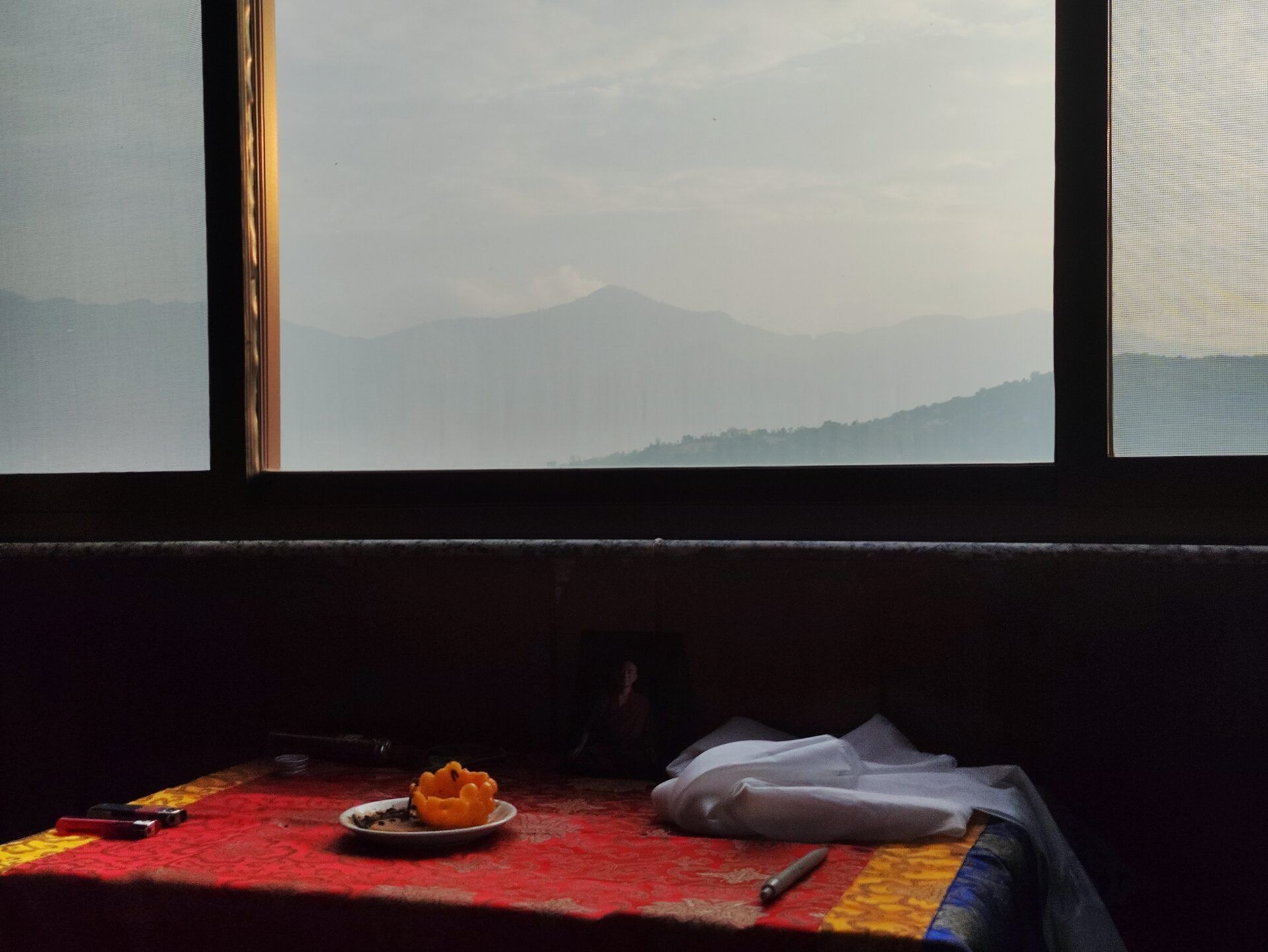
Ancestral Wisdom and Modern Knowledge
Our approach to living education integrates knowledge from different mystical traditions, non-dual philosophies, contemporary science, and current therapeutic schools. The purpose is to synthesize this knowledge in a non-sectarian way and offer it to you in an experiential and accessible format for today’s context.
Each course is built by integrating the personal, social, and spiritual dimensions, offering a learning process with theoretical foundations and practical exercises.
Courses can be experienced in a group or individual format, synchronous and asynchronous, depending on your needs.In this section you can find meditation courses for practice and deepening, integrating therapeutic tools, trauma-informed approaches, modern psychology, emotional regulation, somatics, and Eastern philosophy.
Unlike other methods, Effortless Meditation seeks to break through the difficulties that meditation entails when it is seen as a state to be achieved: “blank mind”, “peace”, “love”. Here, meditation is proposed as a playful and pedagogical practice of becoming familiar with reality as it is, cultivating relaxed attention, conscious presence, nervous system regulation, and the ability to recognize our emotions and welcome them, without needing to be overwhelmed by them, change them, or eliminate them. Also includes meditation in nature, interpersonal meditation, and transpersonal meditation.
Embodied Non-Duality, on the other hand, speaks to us of the possibility of integrating our human dimension and our spiritual dimension. By integrating theoretical and practical knowledge from non-dual paths such as Mahamudra, Dzogchen, and Advaita Vedanta, it proposes work of recognizing, becoming familiar with, and inhabiting the Awareness that we are, without setting aside our body or our conditioned mind. In this way, we work with the critical aspects of spiritual bypass, making friends with the body-mind in order to care for and nourish it as our most intimate vehicle and home in this life.Therapeutic Narrative is a proposal for people who feel an affinity for writing, creativity, and self-knowledge, and who wish to explore the relationship between the way they tell their story and the way they live their life.
We start from an ancient intuition: words create reality. As the very etymology of the word poetry reminds us, writing is also creating—giving form, bringing something into the world. The stories we tell ourselves do not only describe what we live through; they also organize our identity, our memory, our wounds, our desires, and our possibilities for transformation.
Through narrative techniques, therapeutic writing tools, and creative experiential dynamics of fiction and autofiction, we open a space to observe how we construct our stories (internal and external) and how we can rewrite them with greater awareness, truth, and beauty.
By telling our stories, we discover how much fiction there is in the reality we live, and how much reality emerges through the fiction we write.
We live what we tell ourselves until we tell what we live.
Courses can be taken in a group format in a synchronous way, or an individual format in an asynchronous way.Pedagogy of Being is a training and therapeutic approach that integrates meditation, somatics, and narrative with philosophy (Eastern and mysticism), neuroscience, and the social sciences.
This approach arises from a central question: how can we live with more authenticity, connection, and meaning in a world that pushes us toward disconnection, comparison, and self-demand?
Pedagogy of Being works with three fundamental dimensions of human well-being: identity, belonging, and purpose. These three dimensions run through many contemporary crises: identity crisis, loneliness, anxiety, lack of meaning, relational wounds, disconnection from the body, existential emptiness, and spiritual seeking.
From this perspective, well-being is not understood only as the absence of psychological distress, but as the possibility of living in a more conscious, embodied, and meaningful way. That is why Pedagogy of Being combines tools for self-inquiry, meditation, emotional regulation, bodywork, therapeutic narrative, somatic education, expressive arts, and philosophical reflection.